Traffic Calming Treatments

Share Traffic Calming Treatments on Facebook Share Traffic Calming Treatments on X (formerly Twitter) Share Traffic Calming Treatments on Linkedin Email Traffic Calming Treatments link
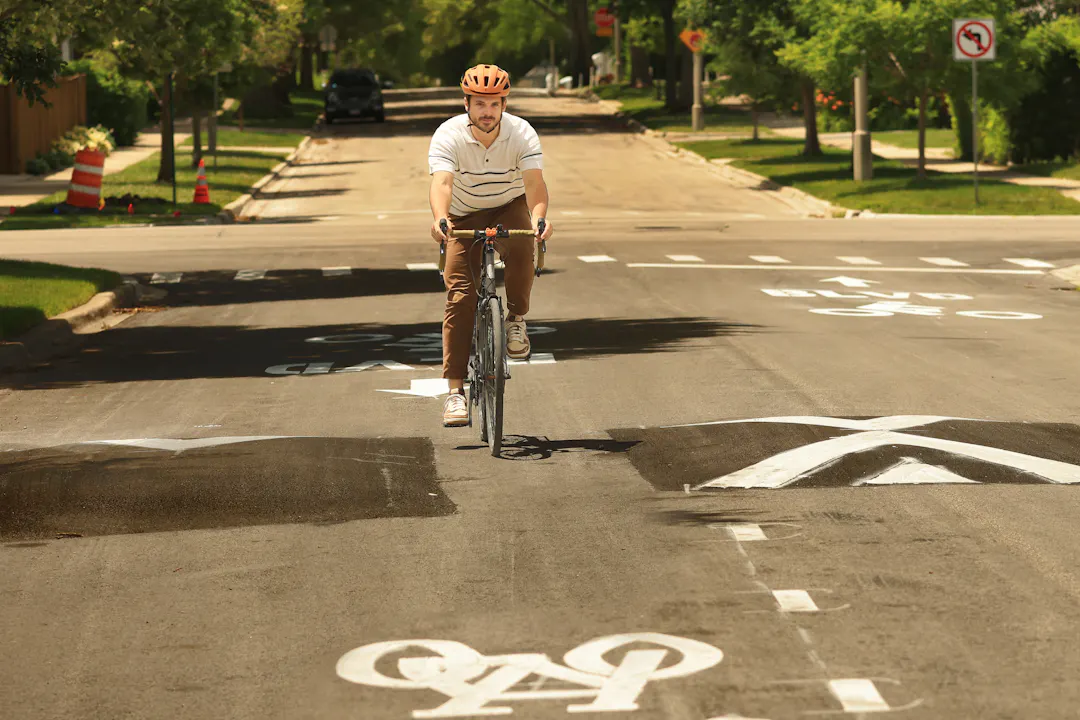
A speed cushion along the Thomas Street bike boulevard and neighborhood greenway route in Oak Park

This summer the Village will be installing traffic calming treatments on Village streets to implement the goals included in the Vision Zero Action Plan and the Bike Plan Update.

This involves the installation of 81 speed cushions and 17 traffic diverters at locations throughout the community.

The Village is seeking feedback from the community about these traffic calming treatments. Please use the engagement tools below to ask questions and pin your comments on a map. Feedback gathered on this page will help the Village assess the impacts of these traffic calming treatments, particularly the temporary traffic diverter installations.


Speed Cushion Overview

The Vision Zero Action Plan includes a change in Village policy surrounding vertical deflection. Vertical deflection includes speed bumps, speed tables, raised intersections and speed cushions.

Up until the adoption of Vision Zero, the use of vertical deflection was limited to the northernmost and southernmost blocks of the Village and some other isolated locations.

The Vision Zero Action Plan calls for their use in locations with vulnerable road users, specifically near parks and schools and along the Neighborhood Greenway network.

Click here for a map of speed cushion installations.


Traffic Diverter Overview

The Neighborhood Greenway Network is a network of low-traffic, residential streets designed to prioritize bicycle travel and improve safety for non-vehicular road users.

The Oak Park Bike Plan update calls for traffic diverters as an additional treatment on the neighborhood greenways.

Traffic diverters are physical improvements that restrict the allowed movements at intersections. Most commonly these come in the form of triangular shapes that only allow right turns.

The Bike Plan calls for these at intersections between the neighborhood greenway system and major streets. The intention of these diverters is to diminish through traffic and lower traffic volume on the greenways.

These diverters will be installed using temporary measures, and the impacts to local traffic will be studied throughout 2026.

Click here for a map of traffic diverter installations.

This summer the Village will be installing traffic calming treatments on Village streets to implement the goals included in the Vision Zero Action Plan and the Bike Plan Update.

This involves the installation of 81 speed cushions and 17 traffic diverters at locations throughout the community.

The Village is seeking feedback from the community about these traffic calming treatments. Please use the engagement tools below to ask questions and pin your comments on a map. Feedback gathered on this page will help the Village assess the impacts of these traffic calming treatments, particularly the temporary traffic diverter installations.


Speed Cushion Overview

The Vision Zero Action Plan includes a change in Village policy surrounding vertical deflection. Vertical deflection includes speed bumps, speed tables, raised intersections and speed cushions.

Up until the adoption of Vision Zero, the use of vertical deflection was limited to the northernmost and southernmost blocks of the Village and some other isolated locations.

The Vision Zero Action Plan calls for their use in locations with vulnerable road users, specifically near parks and schools and along the Neighborhood Greenway network.

Click here for a map of speed cushion installations.


Traffic Diverter Overview

The Neighborhood Greenway Network is a network of low-traffic, residential streets designed to prioritize bicycle travel and improve safety for non-vehicular road users.

The Oak Park Bike Plan update calls for traffic diverters as an additional treatment on the neighborhood greenways.

Traffic diverters are physical improvements that restrict the allowed movements at intersections. Most commonly these come in the form of triangular shapes that only allow right turns.

The Bike Plan calls for these at intersections between the neighborhood greenway system and major streets. The intention of these diverters is to diminish through traffic and lower traffic volume on the greenways.

These diverters will be installed using temporary measures, and the impacts to local traffic will be studied throughout 2026.

Click here for a map of traffic diverter installations.

Questions

Have a question? Submit it here, and a member of the project team will get back to you promptly.

Email
loader image
Didn't receive confirmation?
Seems like you are already registered, please provide the password. Forgot your password? Create a new one now.
  • Share When will the local traffic impact study results be made available to the community? on Facebook Share When will the local traffic impact study results be made available to the community? on X (formerly Twitter) Share When will the local traffic impact study results be made available to the community? on Linkedin Email When will the local traffic impact study results be made available to the community? link

    When will the local traffic impact study results be made available to the community?

    Nancy Darnall asked 21 days ago

    The Village’s Engineering Division plans to collect data through the fall of 2026 and present it to the Transportation Commission in the spring of 2027. The project team will post the information on this project page when it is available.

  • Share Where will I find meeting notes/reports regarding communication with the Oak Park community prior to installation of these treatments? Was there a forum for public comment? When will we see the local traffic impact study results? on Facebook Share Where will I find meeting notes/reports regarding communication with the Oak Park community prior to installation of these treatments? Was there a forum for public comment? When will we see the local traffic impact study results? on X (formerly Twitter) Share Where will I find meeting notes/reports regarding communication with the Oak Park community prior to installation of these treatments? Was there a forum for public comment? When will we see the local traffic impact study results? on Linkedin Email Where will I find meeting notes/reports regarding communication with the Oak Park community prior to installation of these treatments? Was there a forum for public comment? When will we see the local traffic impact study results? link

    Where will I find meeting notes/reports regarding communication with the Oak Park community prior to installation of these treatments? Was there a forum for public comment? When will we see the local traffic impact study results?

    Nancy Darnall asked 22 days ago

    Thanks for reaching out with your questions. Traffic calming treatments being installed this year stem from recommendations in the Oak Park Bike Plan Update, which was adopted in July 2025, and the Village’s Vision Zero Action Plan, which was adopted in February 2025. The Village shared information and gathered feedback from community members for both the Bike Plan and Vision Zero projects. Residents are invited to share feedback about these new traffic calming treatments, some of which are temporary, using the map tool included on this project page.

  • Share I am not opposed to “traffic calming measures” but the current approach being taken in Oak Park with installation of white plastic poles along beautiful residential streets in this Village is both obnoxious visually and, more important, ineffective. On many of the blocks where these poles have been installed the poles are lying flattened on the road and/or bent and battered. Why were speed bumps not considered??! These are far more effective and far less offensive to the character of the neighborhood. Will the Village consider taking down the white plastic poles and replacing these with speed bumps?? on Facebook Share I am not opposed to “traffic calming measures” but the current approach being taken in Oak Park with installation of white plastic poles along beautiful residential streets in this Village is both obnoxious visually and, more important, ineffective. On many of the blocks where these poles have been installed the poles are lying flattened on the road and/or bent and battered. Why were speed bumps not considered??! These are far more effective and far less offensive to the character of the neighborhood. Will the Village consider taking down the white plastic poles and replacing these with speed bumps?? on X (formerly Twitter) Share I am not opposed to “traffic calming measures” but the current approach being taken in Oak Park with installation of white plastic poles along beautiful residential streets in this Village is both obnoxious visually and, more important, ineffective. On many of the blocks where these poles have been installed the poles are lying flattened on the road and/or bent and battered. Why were speed bumps not considered??! These are far more effective and far less offensive to the character of the neighborhood. Will the Village consider taking down the white plastic poles and replacing these with speed bumps?? on Linkedin Email I am not opposed to “traffic calming measures” but the current approach being taken in Oak Park with installation of white plastic poles along beautiful residential streets in this Village is both obnoxious visually and, more important, ineffective. On many of the blocks where these poles have been installed the poles are lying flattened on the road and/or bent and battered. Why were speed bumps not considered??! These are far more effective and far less offensive to the character of the neighborhood. Will the Village consider taking down the white plastic poles and replacing these with speed bumps?? link

    I am not opposed to “traffic calming measures” but the current approach being taken in Oak Park with installation of white plastic poles along beautiful residential streets in this Village is both obnoxious visually and, more important, ineffective. On many of the blocks where these poles have been installed the poles are lying flattened on the road and/or bent and battered. Why were speed bumps not considered??! These are far more effective and far less offensive to the character of the neighborhood. Will the Village consider taking down the white plastic poles and replacing these with speed bumps??

    AnnStraw asked about 1 month ago

    Thank you for submitting your questions. The corner bump outs you are referring to are are a pedestrian safety feature that reduces the crossing distance for pedestrians and increases their visibility. The narrower roadway has been shown to reduce speeds and the tighter turning radius results in slower turning speeds from vehicles. All of these outcomes taken together result in a more visible pedestrian and a slower vehicle giving both parties time and space to make safer decisions. This is an example of the Safe Systems Approach, which is part of the Vision Zero Action Plan and strives to add redundancy and reduce the situations where one mistake ends up in a fatality.

    The paint and post versions (with the white posts) are ultimately temporary in nature. They are less expensive than the permanent versions constructed out of concrete curb and are faster to deploy, allowing the Village to protect more intersections sooner. As capital improvement projects such as resurfacing or water sewer replacements occur on these streets, the paint and post bump outs will be replaced with the curb versions. We have experienced a material failure of the most recent version of the delineator posts, which has caused them to have a tendency to stay folded over when hit rather than bounce back as intended. As of this writing most have been reinforced, which should solve the problem, and in the next week or so all of them will be reinforced.

    The usage of speed cushions (the 3 part vertical element pictured on this page) is limited by Village policy to the immediate areas around schools and parks, the neighborhood greenway system and blocks with documented speeding problems. Part of this traffic calming plan is the installation of over 80 of these speed cushions at these locations.

  • Share I like the use of speed cushions because the gaps allow bicycles to pass through while still slowing divers. It makes these greenways more enjoyable to bike for everyone. One thing I am curious about is snow and debris removal around those gaps. Protected bike lanes can sometimes have issues because standard snowplows and street sweepers cannot always clear them effectively. Is that something that also comes up with this style of speed cushions, or is it not an issue in practice? If it is something that's been encountered, is there a maintenance plan or design consideration that addresses it? Thanks! on Facebook Share I like the use of speed cushions because the gaps allow bicycles to pass through while still slowing divers. It makes these greenways more enjoyable to bike for everyone. One thing I am curious about is snow and debris removal around those gaps. Protected bike lanes can sometimes have issues because standard snowplows and street sweepers cannot always clear them effectively. Is that something that also comes up with this style of speed cushions, or is it not an issue in practice? If it is something that's been encountered, is there a maintenance plan or design consideration that addresses it? Thanks! on X (formerly Twitter) Share I like the use of speed cushions because the gaps allow bicycles to pass through while still slowing divers. It makes these greenways more enjoyable to bike for everyone. One thing I am curious about is snow and debris removal around those gaps. Protected bike lanes can sometimes have issues because standard snowplows and street sweepers cannot always clear them effectively. Is that something that also comes up with this style of speed cushions, or is it not an issue in practice? If it is something that's been encountered, is there a maintenance plan or design consideration that addresses it? Thanks! on Linkedin Email I like the use of speed cushions because the gaps allow bicycles to pass through while still slowing divers. It makes these greenways more enjoyable to bike for everyone. One thing I am curious about is snow and debris removal around those gaps. Protected bike lanes can sometimes have issues because standard snowplows and street sweepers cannot always clear them effectively. Is that something that also comes up with this style of speed cushions, or is it not an issue in practice? If it is something that's been encountered, is there a maintenance plan or design consideration that addresses it? Thanks! link

    I like the use of speed cushions because the gaps allow bicycles to pass through while still slowing divers. It makes these greenways more enjoyable to bike for everyone. One thing I am curious about is snow and debris removal around those gaps. Protected bike lanes can sometimes have issues because standard snowplows and street sweepers cannot always clear them effectively. Is that something that also comes up with this style of speed cushions, or is it not an issue in practice? If it is something that's been encountered, is there a maintenance plan or design consideration that addresses it? Thanks!

    whothei0 asked about 1 month ago

    Thank you for submitting your question. The speed cushion openings are wide enough to allow for the street sweeper to clean both the curb line and the gaps between the cushions. We do not anticipate snow removal to be an issue either. In some cases, cyclists may have to ride over the cushions prior to final snow clearing operations being complete.

Page last updated: 04 Aug 2026, 06:46 PM